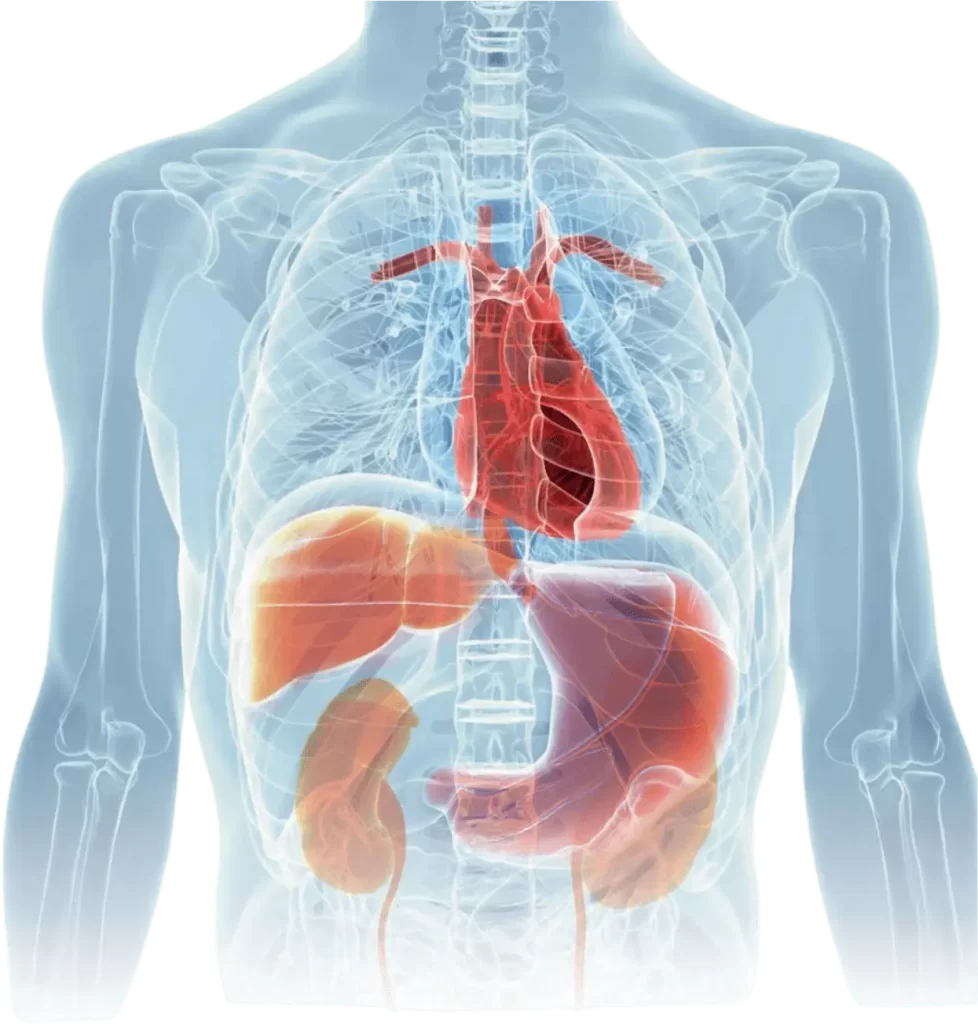
As cases of interconnected cardiovascular, kidney, and metabolic conditions continue to rise in the Philippines, medical experts, patient groups, and the private sector are joining forces to find more effective and patient-centered solutions.
Recently, a multi-stakeholder roundtable was held to address how the country can better respond to cardio-renal-metabolic (CRM) health challenges. The event was organized by the German-Philippine Chamber of Commerce and Industry (GPCCI) in partnership with the German Embassy Manila and Boehringer Ingelheim Philippines. It brought together voices from the healthcare sector, patient advocacy groups, academic institutions, and the pharmaceutical industry.
The Urgent Need for Integrated Care
Dr. Cherry Sevilla-Arenas from the Philippine Heart Center opened the discussion by highlighting that managing CRM conditions isn’t just a medical issue—it’s also about equity, education, and empathy. She pointed out that many patients still fall through the cracks due to fragmented systems and uneven access to care. According to her, better coordination between government, healthcare providers, and communities is essential to prevent care gaps and improve outcomes.
From the patient side, Mr. Ralph Degollacion of Healthy Philippines Alliance shared the real-life burdens of managing CRM diseases, including emotional stress, financial strain, and social exclusion. He stressed the urgent need for universal access to quality health services, particularly for early diagnosis and continuous care.
Calls for Systemic Change
Representing the Philippine Heart Association, Dr. Rodney Jimenez emphasized the importance of interdisciplinary training and standardized care plans. He proposed elective rotations and certifications focused on CRM care, along with shared workflows and disease registries. These steps, he said, are vital for delivering consistent and effective care.
Meanwhile, from the pharmaceutical industry, Dr. Greta Cortez of Boehringer Ingelheim Philippines discussed the shift from disease-specific campaigns to a more holistic view of CRM conditions. She mentioned awareness efforts like It Starts with U: Get CheCKD, which promotes early detection of chronic kidney disease and related conditions.
The Role of Government and Public Health
Public health representatives echoed the need for stronger healthcare infrastructure. They called for accessible, culturally appropriate services and stressed the importance of free consultations and medications for common non-communicable diseases like hypertension and diabetes. These measures, they noted, are key to building long-term healthcare resilience.
Moving Forward: Collaboration and Unified Action
During the open forum, participants discussed various ideas for improving CRM care—from early interventions and integrated care models to better public awareness and workplace wellness. All agreed that no single sector can tackle CRM conditions alone. Cross-sector collaboration is critical.
GPCCI President Ms. Marie Antoniette E. Mariano summed up the event as more than a dialogue. “This roundtable served not only as a space for exchange but as a launching point for more unified action and healthcare delivery reforms for CRM,” she said. “We aim to continue building bridges between patients, practitioners, businesses, and policymakers.”
Dr. David Klebs, Economic Counsellor at the German Embassy Manila, closed the discussion by reaffirming Germany’s support. He underscored the importance of long-term partnerships in improving healthcare systems, education, and policies that lead to better public health outcomes.