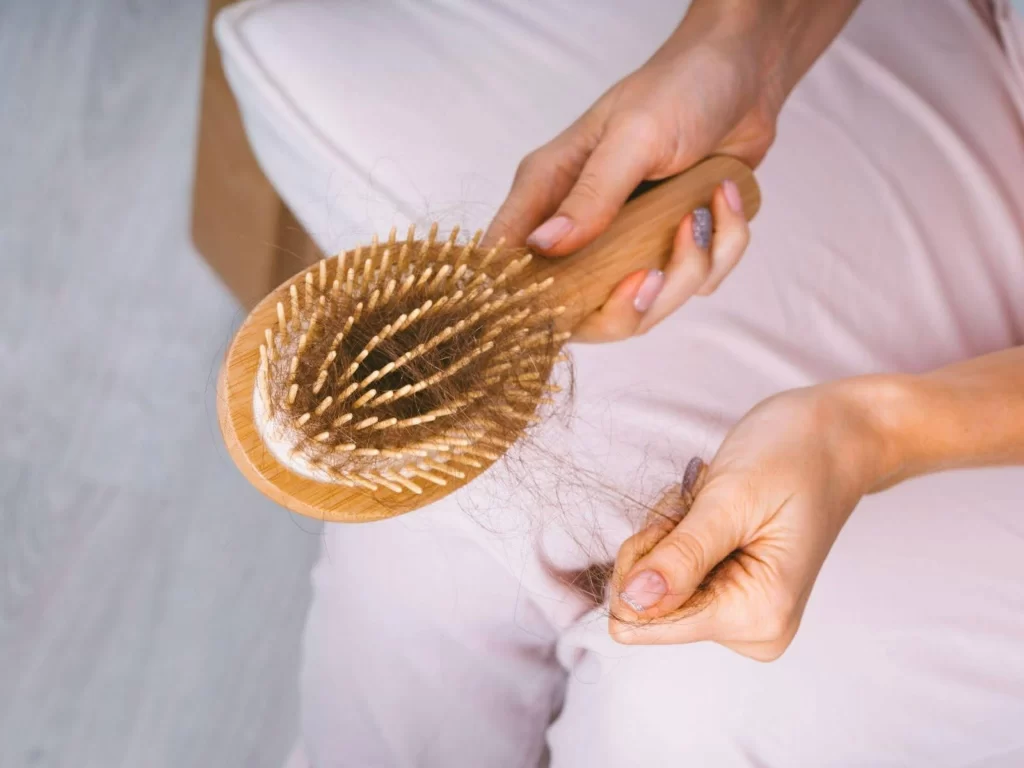
From celebrities like Sting and Jason Statham to dads and titos at home, a receding hairline is something many men eventually experience. While common, this gradual thinning—often forming an “M,” “U,” or “V” shape on the temples—can make some men feel self-conscious.
According to Dr. Corazon Almira T. Mella, dermatologist at Makati Medical Center (MakatiMed), hair loss affects half of men by the time they reach 50, and for some, it starts as early as their 20s. Genetics, hormones, stress, certain medications, and poor nutrition are key factors.
“There’s no cure for receding hairlines,” explains Dr. Mella. “But you can delay progression and improve hair thickness with a mix of lifestyle changes and science-backed treatments.”
Everyday Lifestyle Tweaks for Healthier Hair
- Gentle haircare routine: Use sulfate-free shampoos that strengthen the scalp. Ask your barber for flattering cuts—options include slicked-back styles, buzzcuts, or going fully bald.
- Nutritious diet: Prioritize protein and healthy fats. Salmon, mackerel (rich in omega-3), and eggs (with biotin) are excellent for hair health.
- Stress management: Stress-related hair shedding, known as telogen effluvium, can worsen hair loss. Exercise, sleep, and relaxation activities help minimize its effects.
Medical Solutions and Treatments
- Prescription medications:
- Minoxidil – stimulates hair growth (higher doses require prescription)
- Finasteride – lowers DHT, a hormone linked to hair loss
- Minimally invasive procedures:
- Microneedling – boosts collagen in the scalp
- Low-Level Laser Therapy – activates hair follicles
- Platelet-Rich Plasma (PRP) injections – uses your own platelets to stimulate growth
- Exosome Therapy – relies on cellular growth factors
Hair Restoration Surgery for Long-Term Results
For those seeking more permanent solutions, follicular unit extraction (FUE) is a surgical option available at MakatiMed. This procedure transfers hair follicles from the back or sides of the head to thinning areas, creating a natural and long-lasting look.
“What’s important is that treatment is personalized,” Dr. Mella emphasizes. “What works for one person may not work for another. Consult your doctor and stay patient with the results.”
For more information, contact MakatiMed On-Call at +632 8888 8999, email [email protected]
FAQ
Is a receding hairline preventable?
Not completely. Genetics and hormones are the main causes, but lifestyle habits can slow progression.
Can stress really cause hair loss?
Yes. Stress-induced shedding, called telogen effluvium, can worsen receding hairlines, though it is usually temporary.
What are the most effective treatments?
Options range from minoxidil and finasteride to PRP injections and hair transplant surgery. Effectiveness depends on the individual.
Is hair restoration surgery safe?
Yes. Procedures like FUE are outpatient services at MakatiMed with long-lasting, natural-looking results.
When should I see a doctor?
If hair loss is sudden, severe, or causing distress, it’s best to consult a dermatologist for evaluation and treatment.