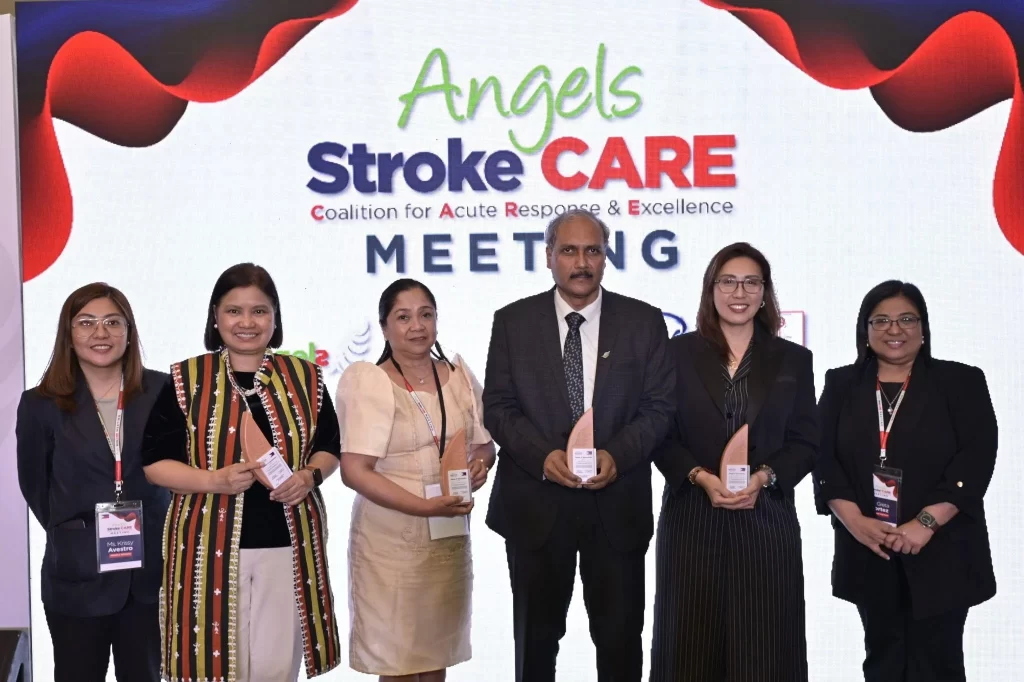
Stroke remains one of the top causes of death in the Philippines, claiming over 34,000 lives between January and August 2024 alone. It’s also a major cause of long-term disability, especially when treatment is delayed. To address this growing health concern, leaders from both global and local medical communities recently came together at the Stroke CARE (Coalition for Acute Stroke Response and Excellence) Meeting to push forward a more unified, data-driven approach to stroke care nationwide.
The meeting was a collaborative effort between the World Stroke Organization (WSO), the Stroke Society of the Philippines (SSP), and the Angels Initiative, a global healthcare program by Boehringer Ingelheim that focuses on improving emergency stroke response. Regional stroke champions from Luzon, Visayas, and Mindanao also joined in to bring local insight and momentum to the national conversation.
Building a Stroke-Ready Philippines
At the core of the discussions was the goal of creating a stroke-ready healthcare system that empowers hospitals, frontline health workers, and communities alike. According to WSO President Prof. Jeyaraj Pandian, the path forward includes widespread adoption of the WSO Angels Certification Program, along with the continued use of data tools like the Registry of Stroke Care Quality (RES-Q) to guide improvements based on real-world metrics.
Prof. Pandian also highlighted the importance of government backing, public awareness, and multi-sector collaboration to truly elevate stroke care at all levels—from primary care centers to large hospitals.
National Strategy, Local Impact
Representing the Stroke Society of the Philippines, Dr. Ma. Cristina Macrohon-Valdez laid out the SSP Roadmap 2025, emphasizing three top priorities:
- The expansion of the Acute Stroke Ready Certification Program
- National endorsement of RES-Q as the official stroke registry
- Continued partnerships with the Angels Initiative and fellow medical societies
These initiatives aim to strengthen hospital systems and enable healthcare professionals to respond more quickly and effectively to stroke emergencies.
Collaboration in Action
Throughout the Stroke CARE Meeting, medical leaders including Dr. Maria Socorro Florendo-Sarfati, Dr. Maria Epifania Collantes, Dr. Greta Cortez, and Krissy Avestro participated in in-depth discussions on what’s working, where the gaps are, and how different sectors can work together to close them. The conversations ranged from training frontline healthcare providers to standardizing treatment protocols, all centered on one shared vision—a future where every Filipino has timely access to high-quality stroke care.
What’s Next?
The Angels Initiative and its partners remain committed to building capacity and improving systems across the country. By combining global best practices with local leadership, the goal is clear: to save more lives, reduce disabilities, and create a stronger, more resilient stroke care network for all Filipinos.