Elite athletes travel across continents to compete, bringing home medals and trophies despite the exhausting effects of long flights and time zone changes. For most people, however, the disruption of sleep and energy levels caused by jet lag can ruin carefully planned trips. What makes these athletes different is how they prepare and adapt.
How Athletes Conquer Jet Lag
“Travel, especially to where time zones change, affects our circadian rhythm, that internal clock in our body that tells us when to sleep and be awake,” explains Maria Patricia Ann T. Puno, MD from the Neurophysiology and Sleep Disorders Laboratory of Makati Medical Center (MakatiMed). “For athletes who find themselves in one state or country one day, then halfway around the world the next, it takes discipline and a few tweaks to their diet, training, and sleeping habits to not only conquer jet lag but also perform at their best.”
In his competitive days, tennis legend Roger Federer managed jet lag by living in the new time zone right away—eating and sleeping based on local time and resisting the urge to slip back into his home schedule.
Strategies That Work for Athletes
According to MakatiMed, these tried-and-tested hacks can help:
Adjust sleeping hours early. A week before traveling, athletes shift their bedtime and wake-up time by 30–60 minutes each day to gradually match the schedule at their destination.
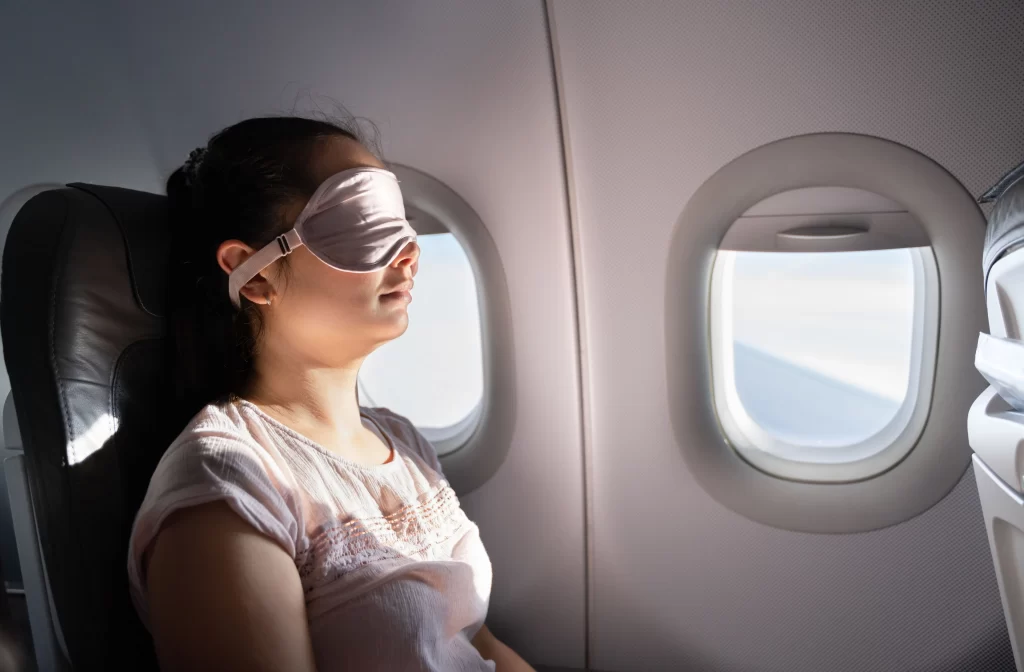
Create a sleep-friendly environment. Earplugs, eye masks, music, and the right room temperature (15–19°C) help the body relax and adjust.
Use light wisely. Morning sunlight signals the body to stay awake, while avoiding blue light from gadgets at night helps melatonin production. Some athletes even wear red-lens glasses to block blue light completely.
Eat and drink smart. Heavy meals, caffeine, and alcohol make it harder to sleep. Light, protein-rich meals are better in the first days of travel.
Nap strategically. Short power naps (15–20 minutes) can recharge energy, as in the case of Olympic champion Carlos Yulo, but avoid naps too close to bedtime.
Travel smarter. Booking morning flights and adjusting your watch to the destination’s time zone during the flight can help condition the mind and body faster.
H3: Practical Tips from Experts
“Small adjustments go a long way,” Dr. Puno emphasizes. “By planning ahead, using light correctly, and respecting the body’s signals, anyone can lessen the effects of jet lag and enjoy their trip better.”
For more information, contact MakatiMed On-Call at +632.88888 999, email [email protected]